
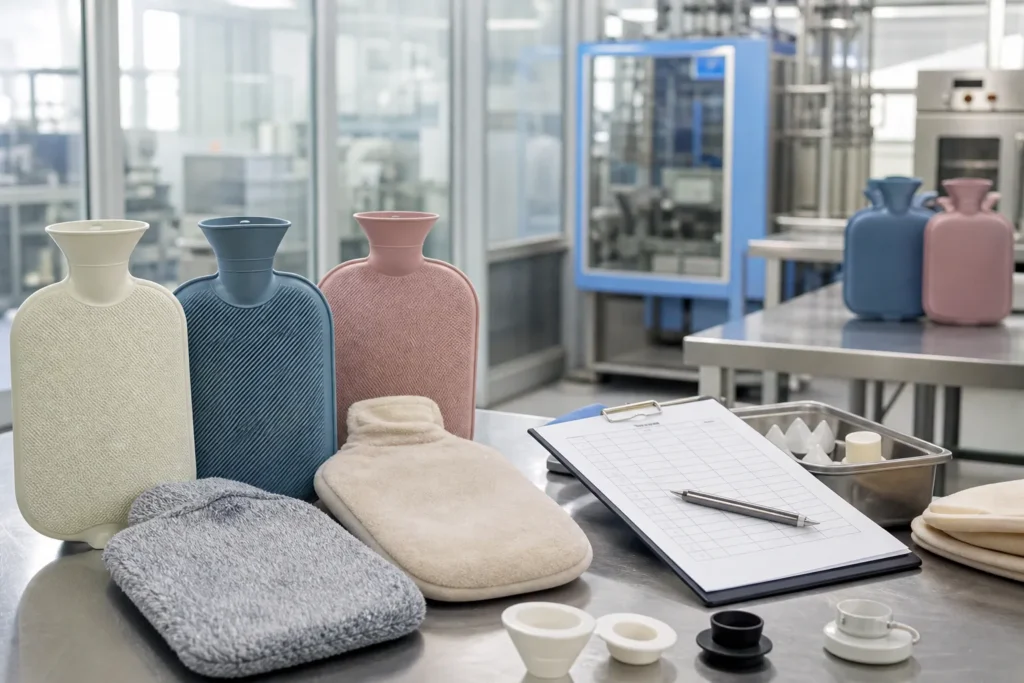
Quality Assurance in Hot Water Bag Manufacturing for B2B Buyers
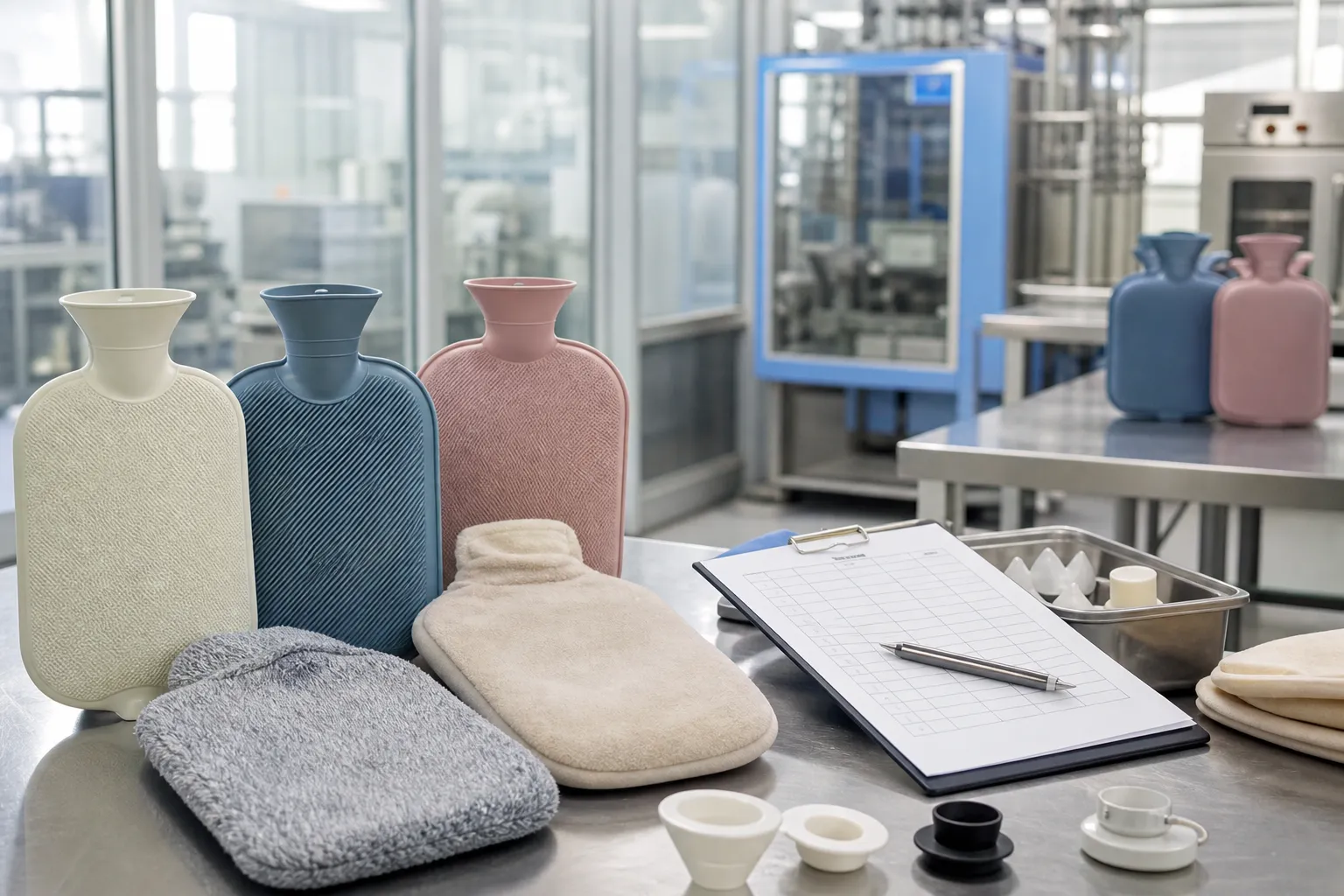
In today’s competitive B2B manufacturing landscape, quality assurance (QA) in hot water bag manufacturing is of utmost importance, particularly for products like hot water bags that are utilized across various sectors. Quality assurance ensures that these products not only meet customer expectations but also comply with crucial safety and performance standards. In this article, I will explore the significance of quality assurance in hot water bag manufacturing, offering B2B buyers vital insights to make well-informed purchasing decisions.
The manufacturing process of hot water bags encompasses several stages, including material selection, design, production, and rigorous testing. Each of these phases is critical in ensuring the final product is not only safe but also durable and effective. Gaining a deeper understanding of these processes can empower buyers to select suppliers who genuinely prioritize quality.
Key Specifications for Quality Assurance
When it comes to quality assurance in hot water bag manufacturing, there are several key specifications that buyers must consider:
Material Standards
The materials used in hot water bags play a crucial role in their safety and effectiveness. High-quality thermoplastic materials, such as PVC or rubber, are preferred due to their durability and heat-resistance properties. In my experience, B2B buyers should ensure that suppliers source materials that meet industry standards, as subpar materials can lead to product failures and serious safety hazards.
Safety Regulations
Compliance with safety regulations is non-negotiable in hot water bag manufacturing. Products must adhere to specific standards set by regulatory bodies, such as the Consumer Product Safety Commission (CPSC) in the United States or equivalent organizations globally. Buyers should verify that their suppliers comply with these regulations to minimize risks related to product recalls or potential legal liabilities.
Performance Metrics
Performance metrics, such as heat retention, leakage resistance, and user comfort, are vital indicators of a hot water bag’s quality. Manufacturers should conduct thorough testing to ensure their products meet or exceed these performance benchmarks. B2B buyers should actively inquire about testing protocols and results to confirm they are sourcing high-quality products. For more detailed insights on quality assurance standards, you can refer to this industry reference.
Common Use Cases for Hot Water Bags
Hot water bags are versatile products with a wide range of applications, including:
Medical Applications
In the medical field, hot water bags are frequently employed for pain relief and muscle relaxation. Hospitals and clinics depend on high-quality bags to ensure patient safety and comfort. From what I have seen, buyers in the healthcare sector must prioritize quality assurance to avoid any negative impacts on patient care.
Household Uses
Hot water bags are commonly used in households for alleviating aches and pains. They also serve as excellent bed warmers during colder months. B2B buyers in retail should focus on sourcing products that resonate with consumers, emphasizing quality and safety to build brand trust.
Industrial Applications
In industrial contexts, hot water bags can be utilized for heating or maintaining temperature in various processes. Reliability and durability are essential in these applications, making quality assurance critical for suppliers catering to this market.
Comparing Quality Assurance Practices
B2B buyers should consider the differences in quality assurance practices between domestic and international manufacturers:
Domestic vs. International Manufacturers
Domestic manufacturers often operate under stricter regulations and closer oversight, which can result in higher quality assurance standards. However, international manufacturers may provide cost advantages. I believe it’s crucial for buyers to weigh the benefits of each option while considering the quality of materials and compliance with safety regulations.
Certifications and Compliance
Certifications such as ISO 9001 or ASTM standards can be indicators of a manufacturer’s commitment to quality assurance. B2B buyers should look for suppliers with relevant certifications that showcase adherence to industry standards.
Quality Control Processes
Quality control processes can vary significantly among manufacturers. It’s essential for buyers to understand the quality control measures implemented by potential suppliers, including testing methods and frequency, to ensure consistent product quality.
Sourcing Hot Water Bags
Finding reliable suppliers is crucial for maintaining quality assurance in hot water bag procurement:
Identifying Reliable Suppliers
Buyers should conduct thorough research to identify suppliers with a proven track record in hot water bag manufacturing. Reading reviews, checking references, and assessing their market reputation can provide valuable insights.
Evaluating Supplier Quality Assurance
Assessing a supplier’s quality assurance program is vital. Buyers should inquire about their QA processes, testing protocols, and any certifications they hold. A robust quality assurance program often reflects a manufacturer’s dedication to producing high-quality products.
Negotiating Quality Terms
When negotiating contracts, buyers should clearly define quality expectations and terms. This includes establishing quality benchmarks, testing requirements, and protocols for managing defective products. Clear communication can help prevent misunderstandings and ensure that both parties align on quality standards.
Implementing Quality Assurance in Your Supply Chain
To effectively integrate quality assurance into the supply chain, consider the following best practices:
Best Practices for Quality Checks
Implement regular quality checks at various stages of the supply chain. This includes incoming material inspections, in-process checks, and final product evaluations. Consistent quality checks can help identify issues early and minimize the risk of defective products reaching customers.
Integrating Quality Assurance into Procurement
Quality assurance should be a key component of the procurement process. Buyers should prioritize suppliers with strong QA practices and ensure that quality criteria are integrated into supplier evaluations and contracts.
Continuous Improvement Strategies
Encourage continuous improvement within the supply chain by regularly reviewing quality metrics and supplier performance. Establish feedback loops to address any quality issues and implement corrective actions promptly.
Frequently Asked Questions (FAQs)
What are the signs of a quality hot water bag?
Signs of a quality hot water bag include durable materials, effective heat retention, and reliable seals that prevent leaks. A well-manufactured bag should also include clear safety instructions and certifications.
How can I ensure compliance with safety standards?
Buyers can ensure compliance by selecting suppliers who possess relevant certifications and adhere to established safety regulations. Regular audits and inspections can also help verify compliance.
What should I look for in a supplier’s quality assurance program?
Look for comprehensive quality assurance programs that encompass material testing, performance evaluations, and adherence to industry standards. Suppliers should also have clear protocols for addressing quality issues.
Conclusion
Quality assurance in hot water bag manufacturing is vital for ensuring safety, performance, and customer satisfaction. By grasping the key specifications, sourcing strategies, and quality control practices, B2B buyers can make informed decisions that enhance their product offerings and protect their brand reputation. Prioritizing quality assurance not only mitigates risks but also fosters long-term partnerships with reliable suppliers.